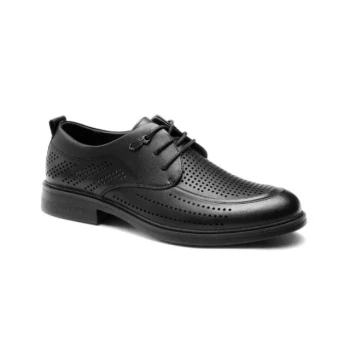
Verstellbare adaptive Schuhe sind ein grundlegendes Hilfsmittel zur Behandlung von Fußödemen, da sie die erheblichen Volumenänderungen des Fußes, die im Laufe des Tages auftreten, dynamisch ausgleichen können. Diese Schuhe verwenden spezielle Designmerkmale wie große Einstiegsöffnungen und flexible Verschlusssysteme, um wesentliche strukturelle Unterstützung zu bieten, ohne die Blutzirkulation einzuschränken oder gefährliche Druckstellen zu verursachen.
Ödeme erfordern Schuhwerk, das sich an sich ändernde Fußgrößen anpassen kann, anstatt den Fuß zu zwingen, sich einer starren Form anzupassen. Adaptive Schuhe schließen diese Lücke, indem sie nicht einschnürende Unterstützung bieten, die Hautschäden verhindert und die Anwendung von Kompressionstherapie erleichtert.
Die Mechanik der Anpassung
Umgang mit Volumenänderungen
Ödeme sind selten statisch; die Fußgröße nimmt im Laufe des Tages oft zu. Adaptive Schuhe verfügen über flexible Verschlusssysteme, die speziell für diese Veränderungen entwickelt wurden.
Diese Verstellbarkeit sorgt dafür, dass der Schuh funktionsfähig und bequem bleibt, unabhängig davon, ob die Schwellung ihren Höhepunkt oder Tiefpunkt erreicht hat.
Die Rolle großer Einstiegsöffnungen
Herkömmliches Schuhwerk kann bei geschwollenen Füßen fast unmöglich anzuziehen sein. Adaptive Schuhe nutzen große Einstiegsöffnungen, um diese mechanische Barriere zu überwinden.
Dies ermöglicht es dem Träger, den Fuß ohne Kraftaufwand in den Schuh zu legen, was die Belastung des Fußes und die Frustration des Benutzers reduziert.
Klinische Vorteile und Schutz
Erhaltung der Durchblutung
Eine entscheidende Funktion dieser Schuhe ist ihr nicht einschnürendes Verschlusssystem. Herkömmliche Schnürsenkel oder steife Obermaterialien können bei geschwollenem Gewebe wie Tourniquets wirken.
Durch das Sichern des Fußes ohne Einschnürung stellen adaptive Schuhe sicher, dass die Blutzirkulation ungehindert bleibt, was für die Gewebegesundheit von entscheidender Bedeutung ist.
Verhinderung von Hautschäden
Enge oder schlecht sitzende Schuhe sind eine Hauptursache für Geschwüre und Hautrisse bei Ödempatienten. Die verstellbare Natur dieses Schuhwerks hilft, Schmerzen zu lindern und beseitigt Reibungspunkte.
Dieser Schutz ist unerlässlich, um Hautschäden zu verhindern, eine häufige und gefährliche Komplikation chronischer Schwellungen.
Integration in Behandlungspläne
Erleichterung der Kompressionstherapie
Eine wirksame Ödembehandlung beinhaltet oft das Tragen von sperrigen Kompressionsstrümpfen. Adaptive Schuhe sind so konzipiert, dass sie in Verbindung mit Kompressionskleidung funktionieren.
Das verstellbare Innenvolumen ermöglicht es dem Schuh, bequem über diese Socken zu passen, sodass Patienten nicht zwischen Schuhwerk und ihrer verschriebenen Therapie wählen müssen.
Wichtige Überlegungen und Kompromisse
Das Risiko einer unsachgemäßen Anpassung
Obwohl Flexibilität ein Vorteil ist, birgt sie das Risiko von Anwendungsfehlern. Wenn die flexiblen Verschlüsse zu locker gelassen werden, kann dem Schuh die notwendige strukturelle Unterstützung fehlen, was potenziell zu Instabilität oder Stürzen führen kann.
Behandlung von Symptomen vs. Ursachen
Es ist wichtig zu erkennen, dass adaptive Schuhe die Symptome von Ödemen behandeln, nicht die zugrunde liegende Erkrankung. Sie schützen den Fuß und verbessern die Mobilität, aber sie reduzieren nicht die Flüssigkeitsansammlung selbst.
Die richtige Wahl für Ihr Ziel treffen
Um die Vorteile von adaptivem Schuhwerk zu maximieren, wählen Sie Funktionen, die Ihren spezifischen täglichen Herausforderungen entsprechen:
- Wenn Ihr Hauptaugenmerk auf starken täglichen Schwankungen liegt: Bevorzugen Sie Schuhe mit maximaler Verstellbarkeit der Verschlusssysteme, um sich an signifikante Größenänderungen von morgens bis abends anzupassen.
- Wenn Ihr Hauptaugenmerk auf Hautschutz liegt: Suchen Sie nach Schuhen mit weiten Einstiegsöffnungen und weichen Innenpolstern, um Reibung zu vermeiden und Kompressionsstrümpfe problemlos aufzunehmen.
- Wenn Ihr Hauptaugenmerk auf Mobilität liegt: Stellen Sie sicher, dass die nicht einschnürenden Verschlüsse dennoch ausreichende Fersen- und Fußgewölbeunterstützung bieten, um die Stabilität beim Gehen zu gewährleisten.
Indem Sie die mechanischen Eigenschaften des Schuhwerks an Ihre spezifischen Schwellungsmuster anpassen, verwandeln Sie ein einfaches Accessoire in eine wichtige Komponente Ihrer Gesundheitsmanagementstrategie.
Zusammenfassungstabelle:
| Merkmal | Rolle beim Ödemmanagement | Wichtigster klinischer Vorteil |
|---|---|---|
| Flexible Verschlüsse | Passt sich täglichen Volumenänderungen an | Erhält die Durchblutung & verhindert Druckstellen |
| Große Einstiegsöffnungen | Ermöglicht einfaches, kraftfreies Anziehen | Reduziert körperliche Belastung & Hautreibung |
| Erhöhtes Volumen | Nimmt Kompressionskleidung auf | Verbessert die Einhaltung von Therapieplänen |
| Nicht einschnürende Passform | Eliminiert starre Druckpunkte | Verhindert Hautschäden und Geschwüre |
| Strukturelle Unterstützung | Sorgt für Stabilität von Ferse und Fußgewölbe | Verbessert die Mobilität und verhindert Stürze |
Partnerschaft mit 3515 für Hochleistungs-Adaptive-Schuhwerk-Lösungen
Als führender Großhersteller für globale Distributoren und Markeninhaber liefert 3515 die Produktionsqualität, die erforderlich ist, um komplexe Fußgesundheitsprobleme zu bewältigen. Während wir für unsere Flaggschiff-Serie Sicherheitsschuhe und robuste taktische Stiefel bekannt sind, erstrecken sich unsere umfassenden Fertigungskapazitäten auf spezialisierte adaptive Schuhe, Sneaker und formelle Schuhe, die für vielfältige Großaufträge konzipiert sind.
Wir bieten unseren Partnern:
- Fortschrittliche Anpassung: Maßgeschneiderte verstellbare Designs, um die Bedürfnisse von Patienten mit chronischen Ödemen zu erfüllen.
- Skalierbare Produktion: Robuste Lieferkettenkapazität für Sicherheits-, Outdoor- und medizinische Schuhwerk.
- Kompromisslose Qualität: Zuverlässige Konstruktion, die flexiblen Komfort mit notwendiger struktureller Unterstützung ausbalanciert.
Erweitern Sie Ihr Produktportfolio mit Schuhwerk, das Schutz mit physiologischer Anpassungsfähigkeit kombiniert. Kontaktieren Sie uns noch heute, um Ihre Großfertigungsanforderungen zu besprechen und zu erfahren, wie unsere Expertise Ihrer Marke Mehrwert verleihen kann.
Referenzen
- Nwabah N.I, C. Lupambo Hosea. EXPLORING CLOTHING AND TEXTILES EDUCATION FOR SELECTING CLOTHING FOR THE RETIRED WITH SPECIAL NEED. DOI: 10.61868/njhe.v10i6.115
Dieser Artikel basiert auch auf technischen Informationen von 3515 Wissensdatenbank .
Ähnliche Produkte
- Customizable Slip-On Sicherheitsschuhe direkt aus der Fabrik für den Großhandel
- Großhandel Bequeme Business Casual Schuhe Custom Manufacturing
- Großhandel atmungsaktiv Training Schuhe benutzerdefinierte sportliche Schuhe Hersteller
- Großhandel atmungsaktiv & gepolstert Training Schuhe benutzerdefinierte Fabrik Produktion
- Großhandel langlebig & atmungsaktiv Training Schuhe für benutzerdefinierte Marken
Andere fragen auch
- Wofür eignen sich Slip-Ons am besten? Der ultimative Leitfaden für müheloses Freizeit-Schuhwerk
- Was macht den Tecovas The Monterrey zu einer guten Slip-on-Option? Unvergleichlicher Komfort & Stil
- Welche Merkmale machen Slip-On-Schuhe für Einzelhandelsangestellte oder Flugbegleiter praktisch? Erleben Sie ganztägigen Komfort & Bequemlichkeit
- Was sind die Merkmale von Schlupf-Arbeitsschuhen? Priorisieren Sie Komfort und Sicherheit für Ihr Team
- Was macht einen Sicherheitsschuh zu einem Sicherheitsschuh? Wesentlicher Schutz für gefährliche Arbeiten